


Biography
Erielys Marie Vicente is a graphic designer in the Rutgers–Camden BA program in Camden, New Jersey. Born and raised in Camden, Vicente has worked extensively with community nonprofits and organizations who have worked hard to support the community and remove negative stigma, viewing her city through the lens of the people who helped shape it, Vicente was inspired. Vicente is a designer and community-focused artist whose work centers on accessibility, familial topics, and social connection. Through visual communication and program design, she explores how design can function not only as an aesthetic tool but also as a means of supporting people. Her approach prioritizes simplicity, accessibility, and human-centered thinking.
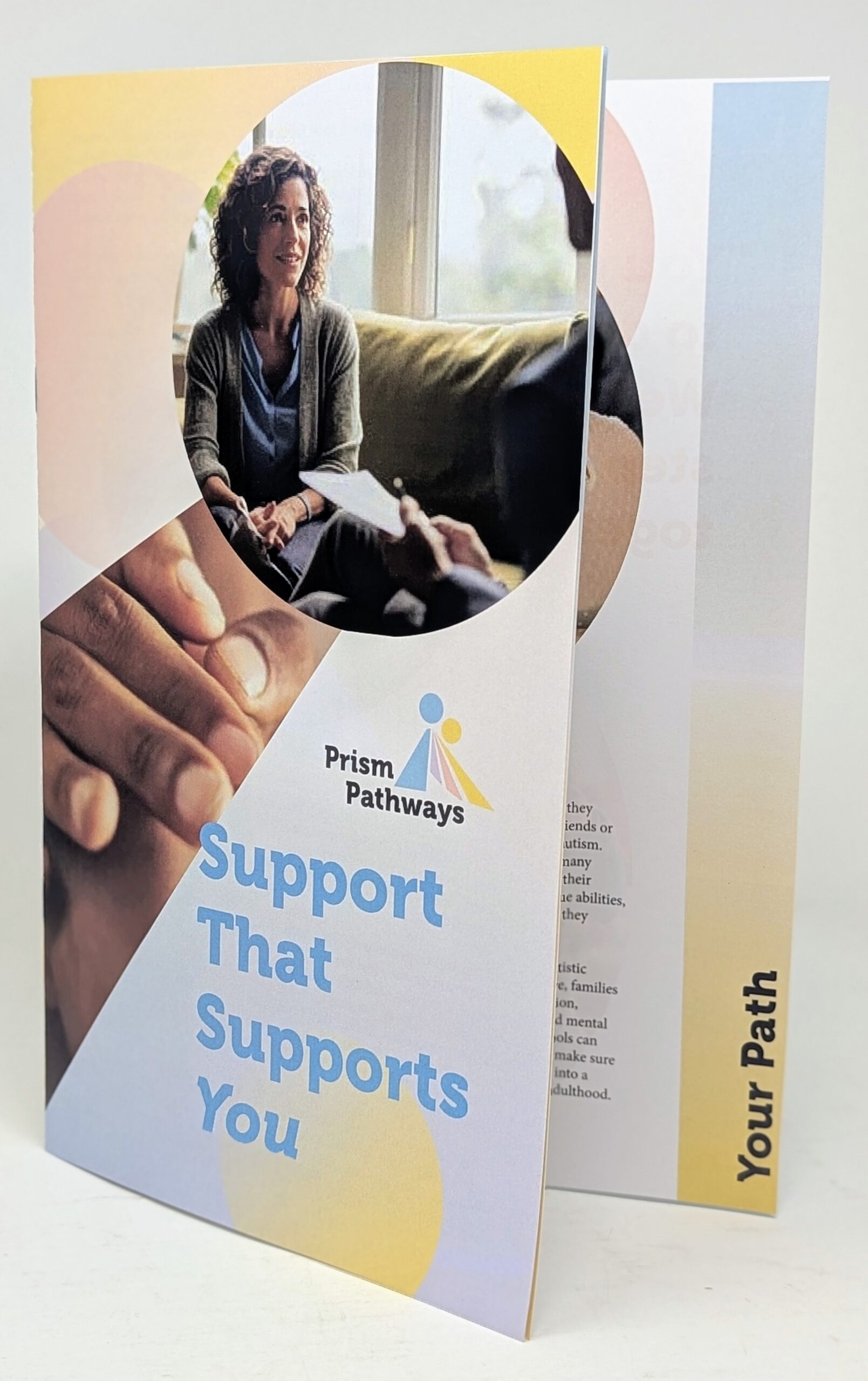
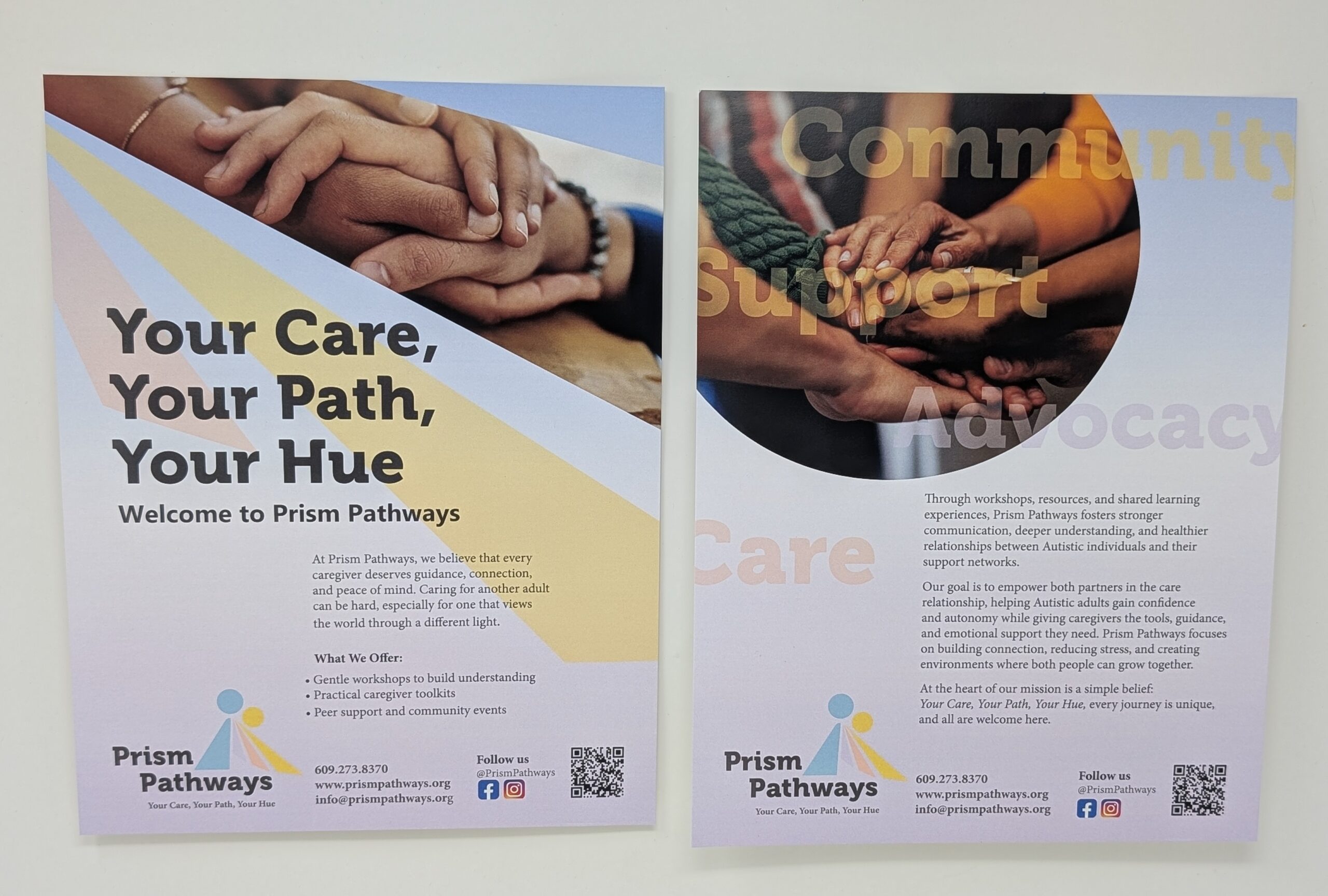
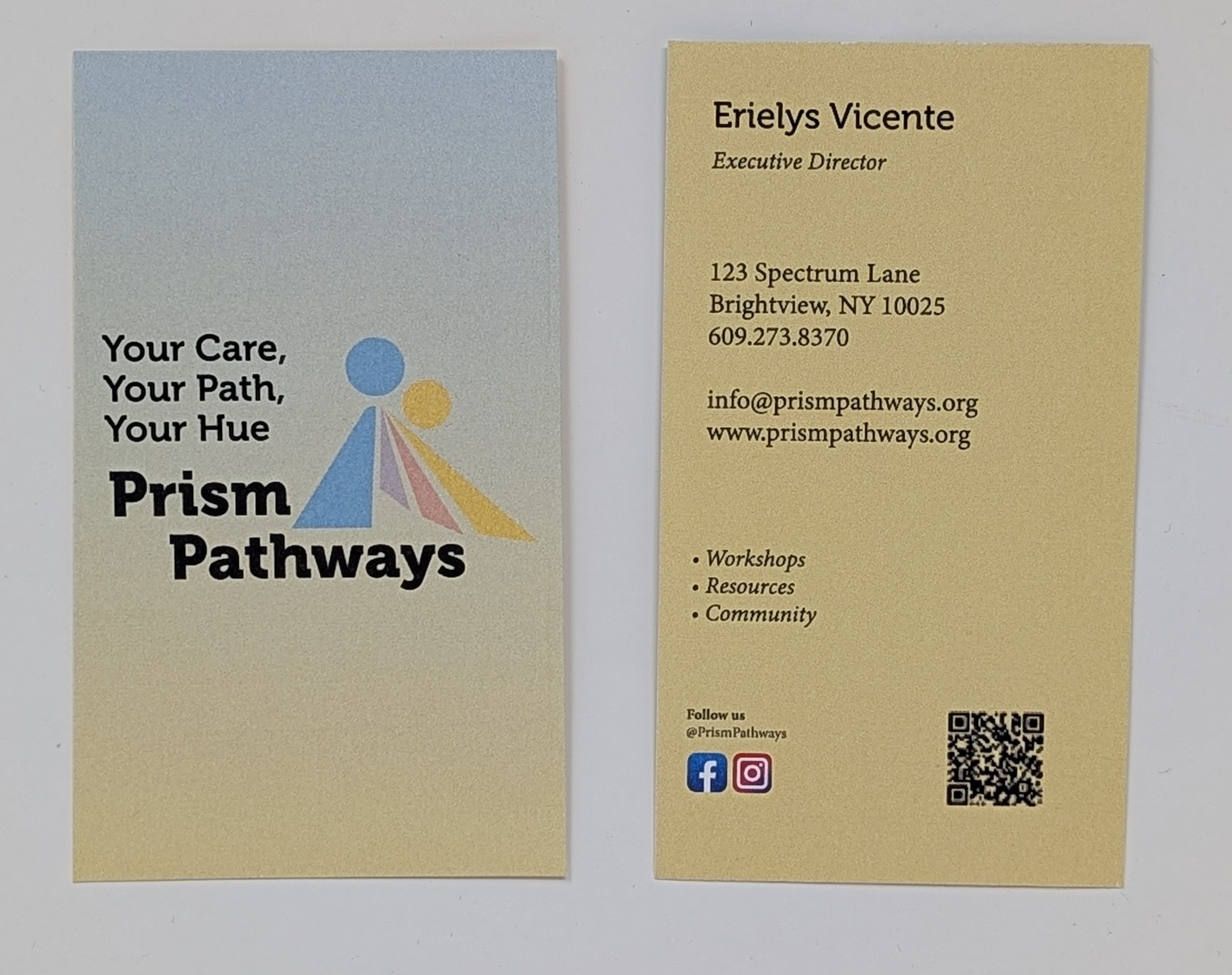
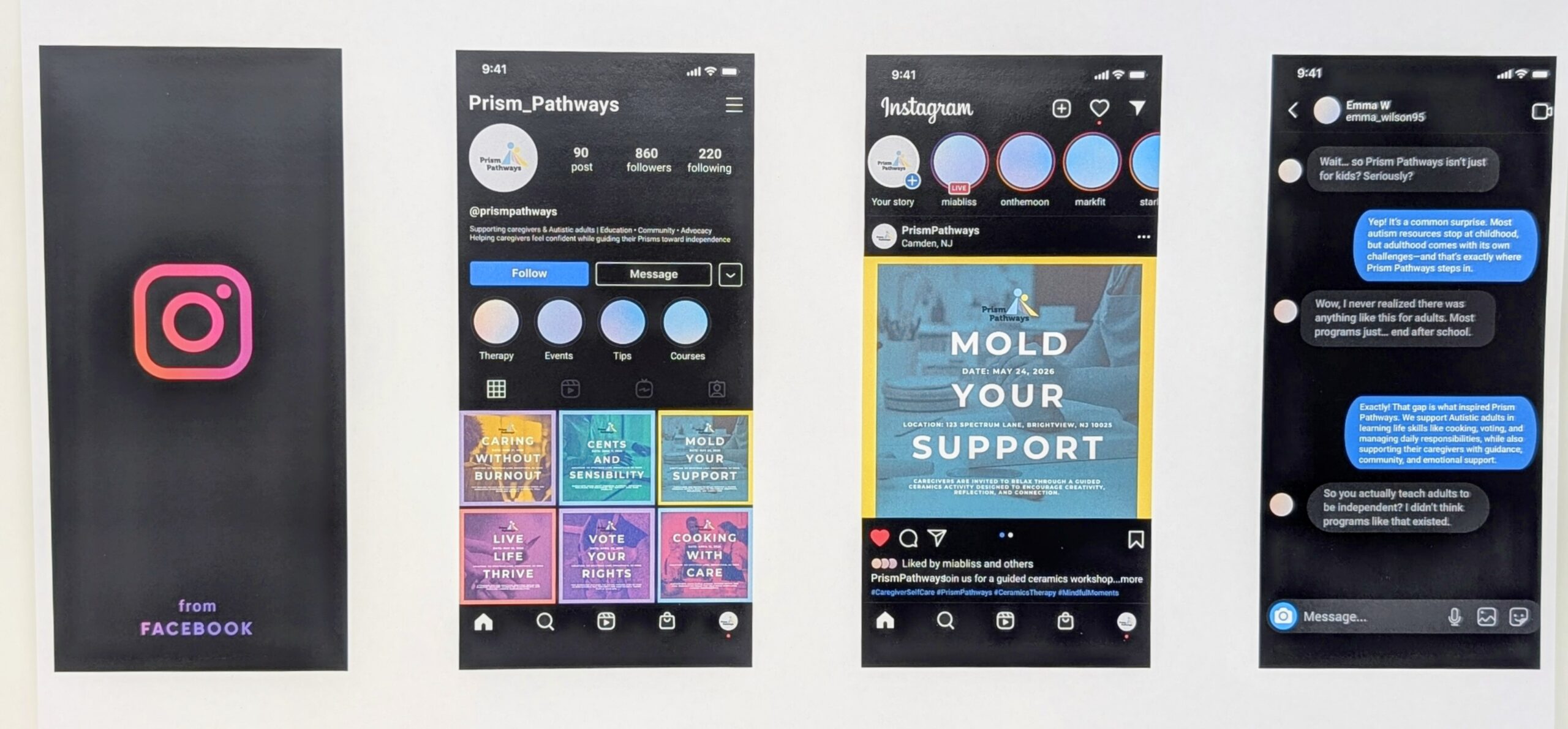
She draws inspiration from her involvement in community activism alongside her aunt, as well as her relationship with her autistic brother. Her project, Prism Pathways, focuses on creating accessible resources and community programming for autistic individuals and their caregivers.

Artist Statement
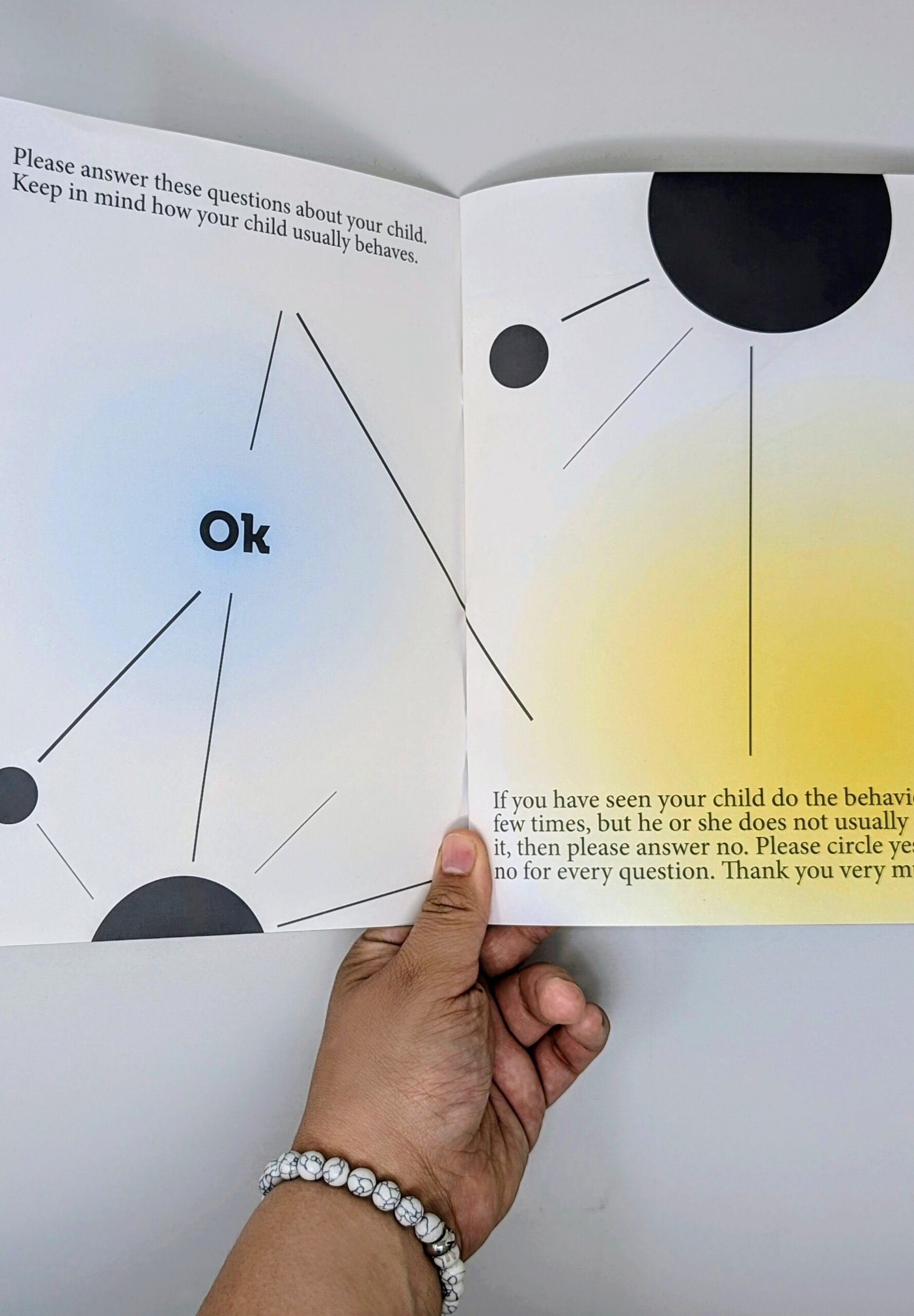
Prism Pathways is inspired by the lack of resources available for autistic adults and the limited support offered to their caregivers, a reality the artist, Vicente, has witnessed through her mother’s care for her autistic brother. Within the theme of “Art Can…,” the project explores how art can create systems of support through visual communication, structured programming, and shared creative experiences.
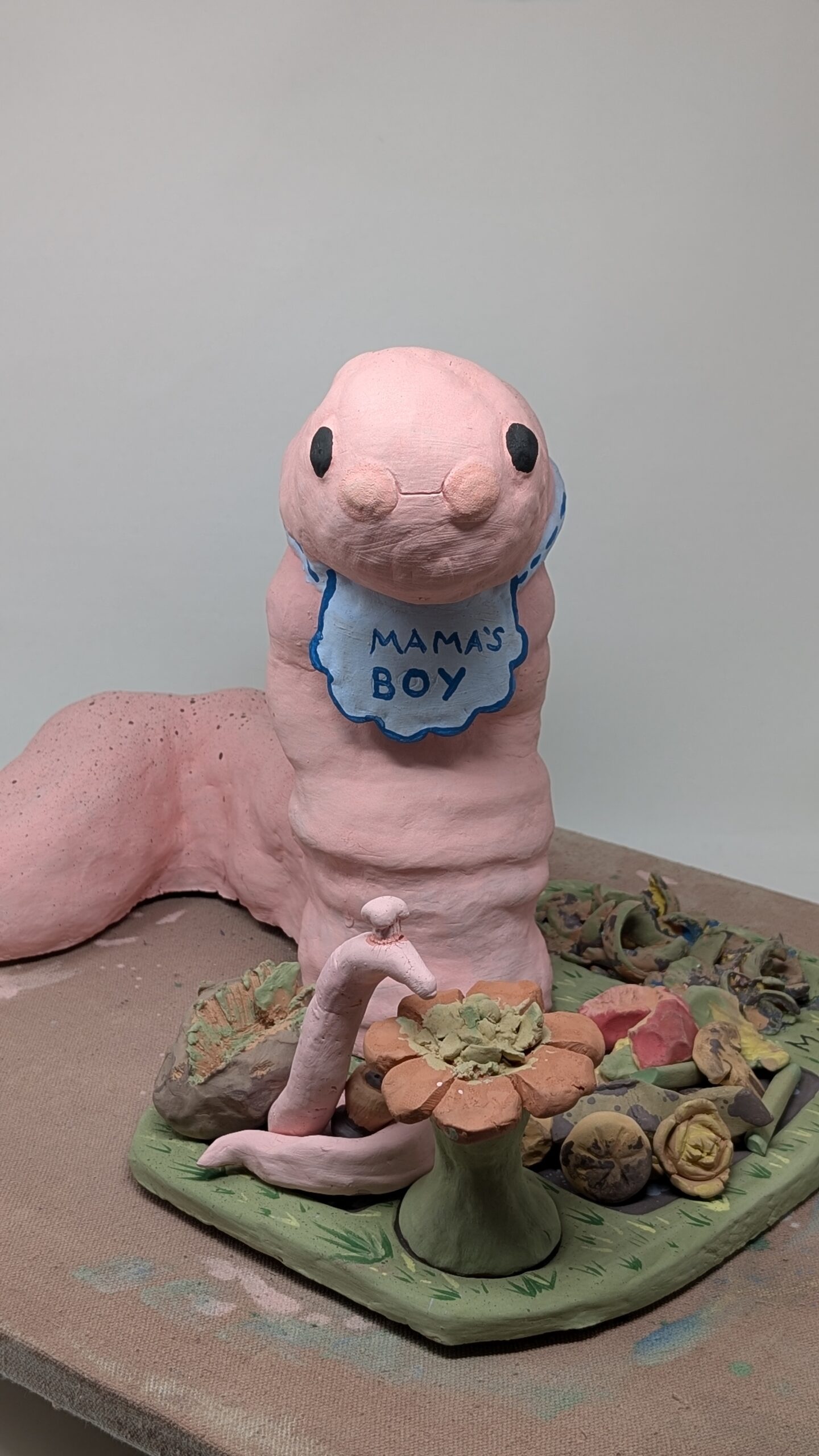
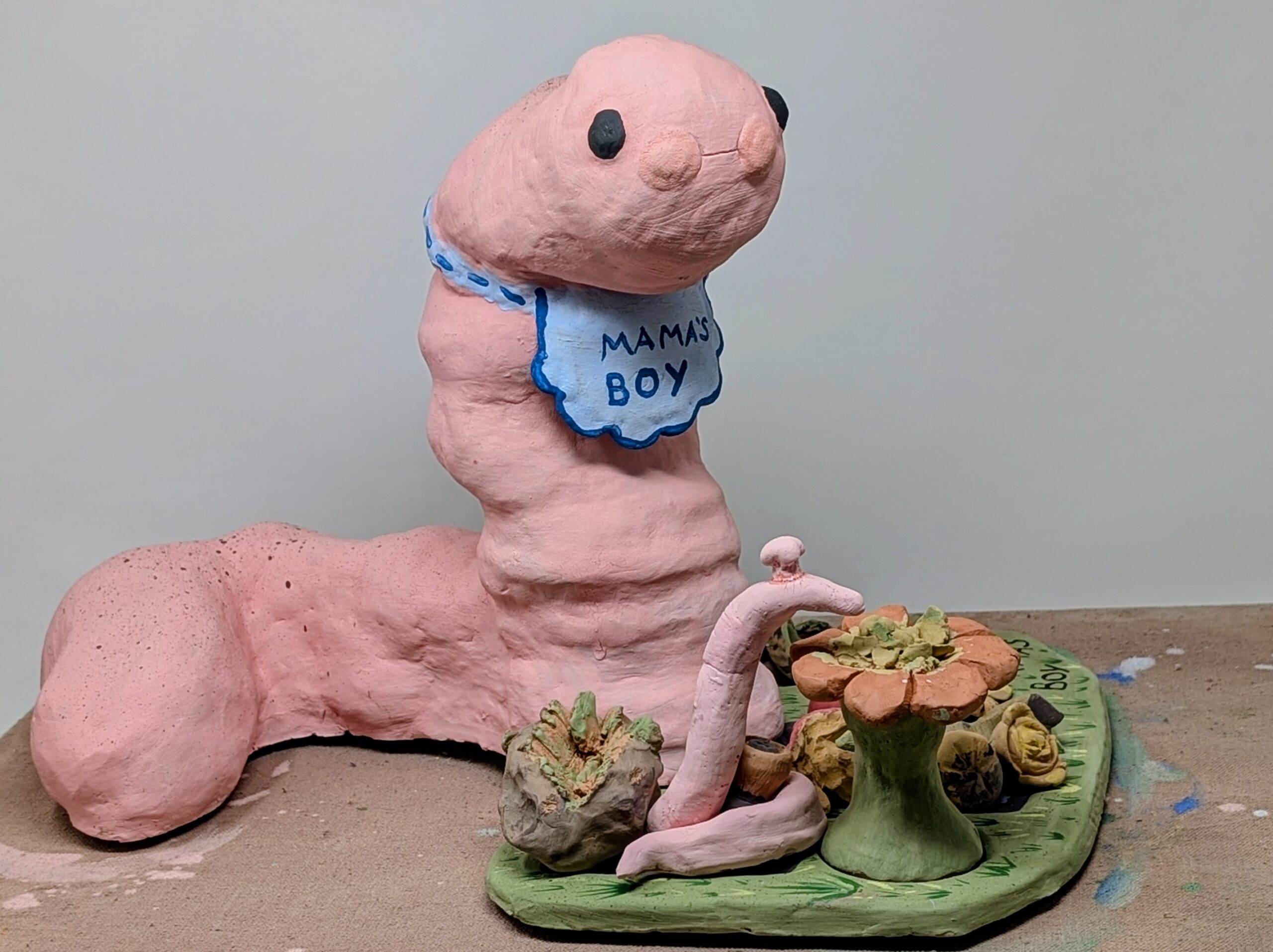
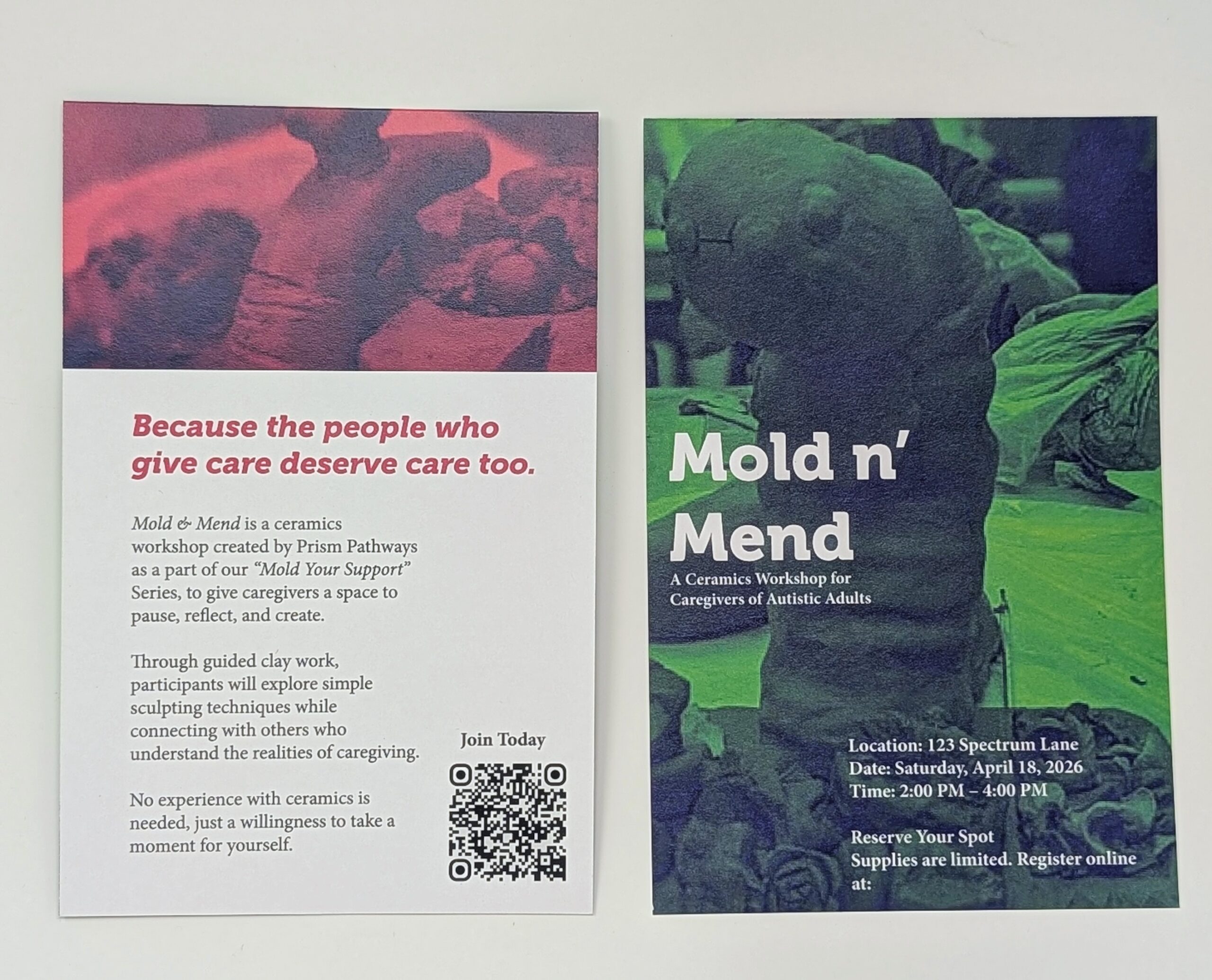
Prism Pathways extends beyond traditional art objects by incorporating hands-on workshops such as ceramics, group discussions, and support classes. These activities use creative practice to encourage participation, establish routine, and foster community. In this context, art becomes a shared experience, one that supports communication, reduces isolation, and creates space for both learning and care.
The work centers on designing systems that make information and participation more accessible. Through workshops, structured sessions, and visual materials, Prism Pathways offers consistent and approachable ways for individuals and caregivers to engage with resources and with one another. It enables caregivers to better understand those they support while connecting with a community that shares experiences and offers mutual guidance.
Each component of Prism Pathways serves a distinct role in building connections. Workshops such as ceramics provide hands-on engagement that encourages focus, stress relief, and self-expression, allowing caregivers to process emotions while also supporting participants’ tactile interests. Group discussions create space for shared experiences and caregiver support, including the exchange of practical resources such as financial planning strategies, routine development, and approaches to navigating transitions and change.
Together, these sessions help participants grow more comfortable over time. The combined elements create an environment where interaction is calm, supportive, and accessible, fostering a sense of ease, connection, and belonging.