


Artist Statement
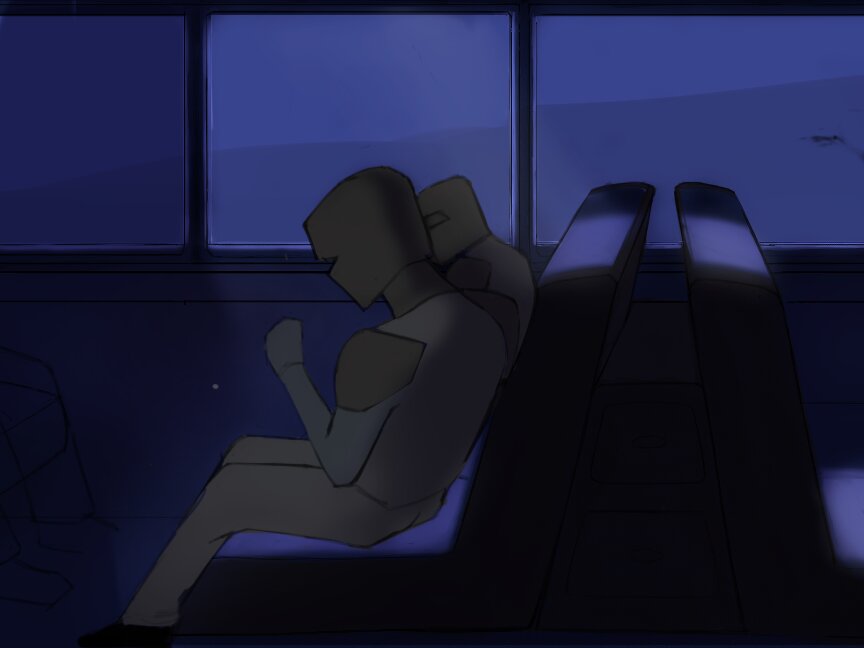
Jada’s film explores the psychological aftermath of war through a disillusioned soldier who once aspired to follow in his father’s footsteps. Due to time constraints, the narrative begins at the end of the war, immediately placing the viewer in a state of emotional and physical exhaustion. Rather than presenting a linear storyline, Jada relied on flashbacks to reflect the fragmented nature of memory, allowing past and present to blur together. While this approach was initially practical for animation, it became a key storytelling device to represent the character’s mental state. In this short film, Jada approached the subject as an interpretive and emotional exploration rather than a strictly realistic depiction. Research into PTSD informed Jada inclusion of memory-based disruptions, particularly through the use of flashbacks. Visually, the blurring effects after these sequences simulate disorientation and the transition between memory and reality. The tone of the film shifts depending on the viewer’s understanding, seeming chaotic and unclear at first, but becoming calmer and more coherent once context is recognized. This reflects the internal confusion of the character versus the audience’s eventual comprehension. The father figure, shown in flashbacks, represents the pressure of legacy and the soldier’s struggle to reconcile personal identity with inherited expectations.