


Biography
Oliver Segreto is a student at Rutgers–Camden in the Fine Arts Department, graduating May 2026, where he is obtaining a BFA in Graphic Design. His professional focus for the future is exhibit creation along with the marketing aspects that go into that creation process such as brand creation/promotion, material layouts, and physical installation. His personal artistic focus is centered around his newfound love for working with textiles in order to create sculptures and everyday usable objects. He plans to use “Seed To Sculpture: An Artists Approach to Wind Power” as the foundational concept for a masters program geared towards using various forms of art for environmental activism and exploring sustainability as an artist.
Artist Statement
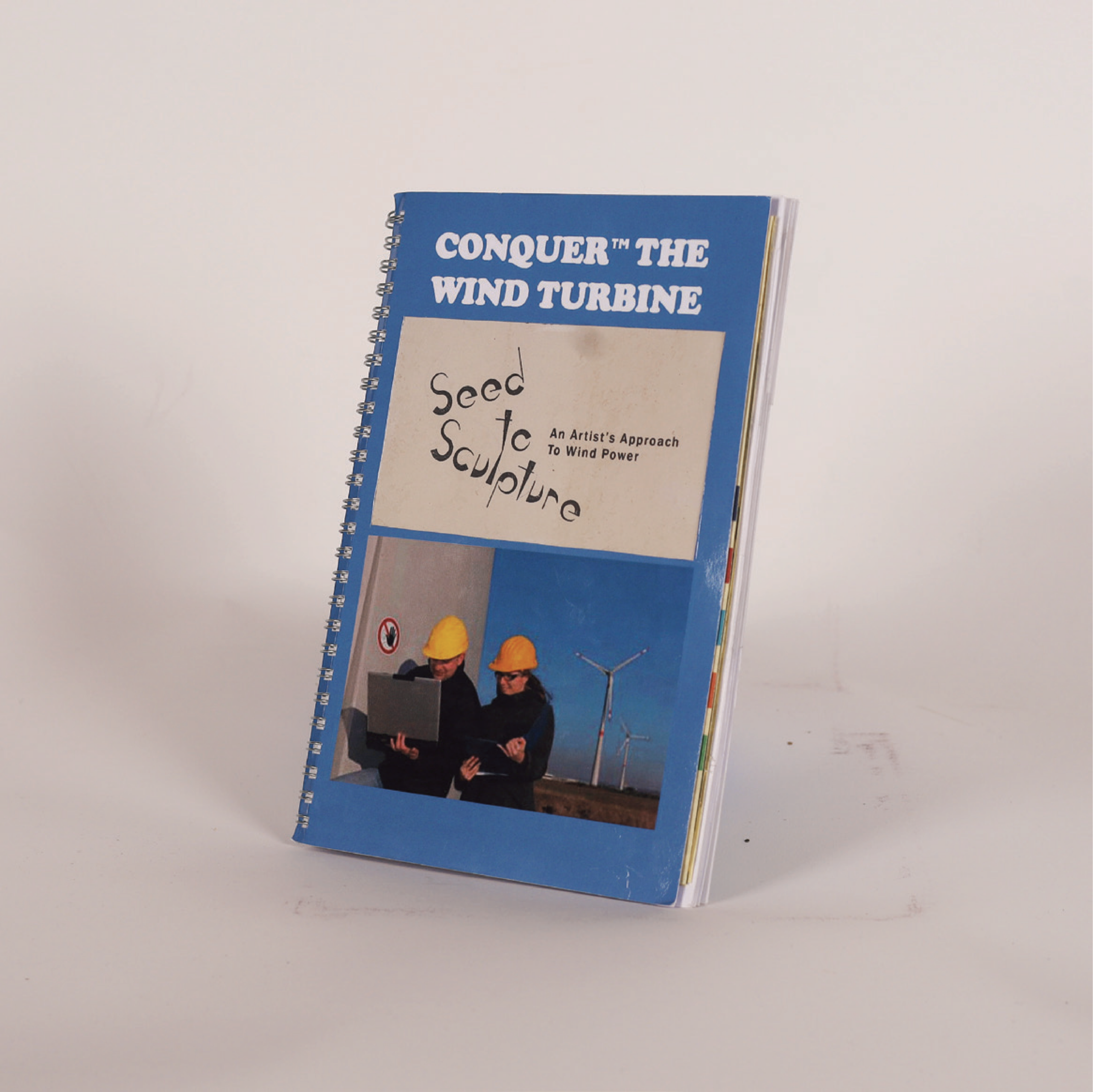
Seed To Sculpture: An Artists Approach to Wind Power
One of the most visible consequences of fossil fuel combustion is air pollution which contributes greatly to smog and respiratory illnesses, including asthma and lung disease. Our society continues to rely on fossil fuels that threaten biodiversity and global stability. Climate change alters habitats faster than many species can adapt, which unfortunately, is greatly increasing the risk of extinction for many species. One of the ways that people have been attempting to combat these negative effects on our large eco system is harnessing the power of the wind to generate electricity as opposed to the combustion and burning of fossil fuels. The use of these wind turbines are divided into 3 main categories, onshore installations that are usually situated in large open areas such as pastures and plains; offshore installations which are installed in the water off various coastal areas; and distributed installations that are primarily wind energy on a smaller scale and power things like homes, businesses, and off-grid living.
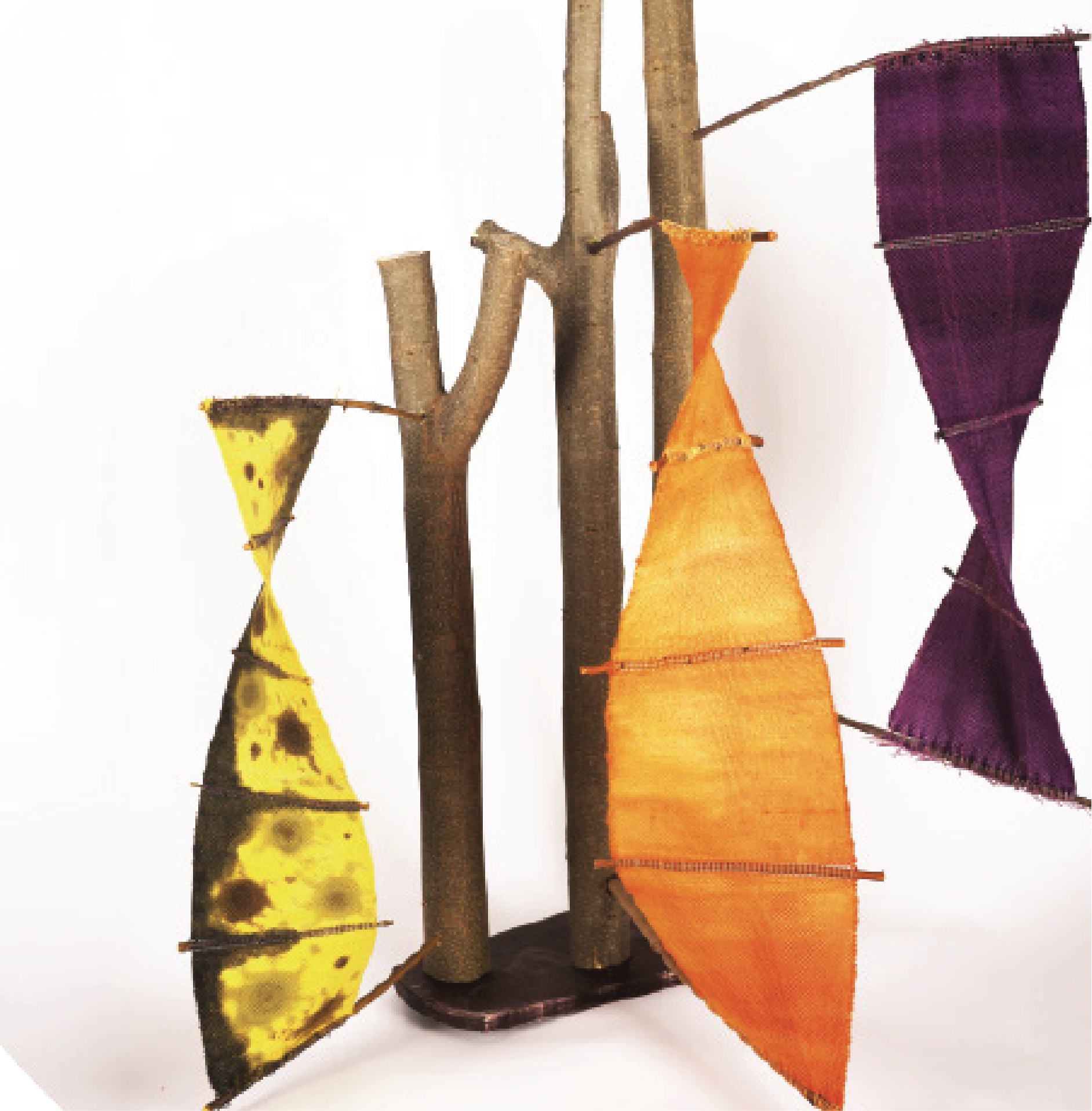
During the process of planning out my capstone project I investigated distributed installations of wind turbines, sustainability practices, and clean energy, figuring out how to re-create them through various mediums. I was inspired by how other artists use their art to directly address and fight against environmental issues on a local and global scale. The process of creating my conceptual sculptures started with a flax seed. I learned how to grow and harvest flax and process it into usable threads and yarns, later expanding to include harvesting and processing wool by hand to make those materials as well. I then used those various yarns to weave fabric panels that make up the main part of the sculpture, as well as natural plant based dyes to color the fabric, and wooden branches to create the spines that hold the spiral shape. The future versions that I am working towards will be suspended on free spinning attachments which are placed in trees and connected to a generator or large batteries. As the wind blows through the tree branches it causes the woven pieces to spin and generate electricity that is fed to the generator or stored in the batteries. These future models will be easy to reproduce and kept simple enough for many people to be able to make and operate them on an individual basis. They will also be very versatile and able to be used in a wide variety of environments making them an ideal addition to the category of distributed installations in the pursuit of clean energy.